

Then there are adjusting journal entries which account for items like depreciation or prepaid expenses. Secondly, journal entries are the first step in the recording process. So you’ll eventually need them to prepare other financial statements. The income statement, cash flow, balance sheet, all of them are based on the initial recordings of journal entries. However, learning how to create and record a journal entry manually is an effective way for you to understand how the accounting process works even when using a computerized system. It can help you understand how the data you recorded are captured and then processed into a set of financial statements.
🎓 Unlock Core Accounting Skills for Financial Analysts!
The record is placed on the credit side of the Service Revenue T-account underneath the January 17 record. This is posted to the Cash T-account on the debit side beneath the January 17 transaction. Accounts Receivable has a credit of $5,500 (from the Jan. 10 transaction). The record is placed on the credit side of the Accounts Receivable T-account across from the January 10 record. Imagine Steff’s Supplies sells a kitchen mixer on credit to Barry’s Bakery on August 15, 2023.
How do closing entries help in preparing financial statements?

Notice that the combination journal includes a miscellaneous column. This column, which is also referred to as a sundry column, is where you’ll be listing the accounts of transactions that occur less frequently. With the advent of computerized accounting systems, the use of physical books of accounts was virtually eliminated. Electronic spreadsheets and even cloud-based databases became mainstream while physical records were already considered a thing of the past. The information in the source document serves as the basis for preparing a journal entry.
- Since businesses are diverse in terms of service and size, various kinds of journals serve different purposes.
- The general journal is more common for smaller firms that don’t run many business transactions.
- Understanding who buys gift cards, why, and when can be important in business planning.
- It is not represented through Purchases, but with the name of the Asset.
- Remember, like yin and yang, debits and credits work together in perfect harmony to maintain balance.
- Debits are used to record expenses and losses, while credits represent revenues and gains.
- You notice there are already figures in Accounts Payable, and the new record is placed directly underneath the January 5 record.
What you’ll learn to do: Account for business transactions using double-entry bookkeeping

So, when it’s time to close, you create a new account called income summary and move the money there. In the expense journal, we record a debit for the amount that went towards interest separately from the amount that reduces the balance. When you make a payment on a loan, a portion goes towards the gross vs net balance of the loan while the rest pays the interest expense.
For a single year, retained earnings increase with net income minus dividends. Notes payable recording transactions in a journal are a written promise to pay a debt, usually with interest, on a specific date. To the lender, it would be an asset called notes receivable. They are expected to provide economic benefits in the future. A good student not only acquires the important topics, instead they choose to know problems of every type.


You will notice that the transactions from January 3,January 9, and January 12 are listed already in this T-account. Thenext transaction figure of $100 is added directly below the January12 record on the credit side. In the journal entry, Utility Expense has a debit balance of$300.
- The above information is an overview of how journal entries work if you do your bookkeeping manually.
- Journal is simply a chronological record of the business transactions in the accounting system.
- According to the clauses in the contract, the former will pay the latter $5,000 every quarter in return for preventive maintenance services.
- This is posted to the Service Revenue T-account on the credit side.
- The record is placed on the credit side of the Service Revenue T-account underneath the January 17 record.
Journal entry is a method of recording business transactions in a double-entry system. Each entry contains data about a single transaction, such as the date, amount debited, and credit, along with a short description. The use of special journals is more appropriate in this situation since they are more specific in the accounts that are recorded. The General Journal is the most basic journal and has also the simplest form since it only contains two columns for debits and credits. This is where you’ll be recording journal entries in a chronological order.
- This recording is the building block for the business’ financial statements, which are created at the end of the fiscal year.
- Bench simplifies your small business accounting by combining intuitive software that automates the busywork with real, professional human support.
- Recording it would violate this core principle and misrepresent the firm’s financial performance and position.
- The T-account always has the name of the account, a left side, a right side, and a balance.
Closing entries mark the end of an accounting period and reveal the final balances of revenue, expense, and owner’s equity accounts. These entries are essential for ensuring accurate financial statements and preparing for the next accounting period. By closing out temporary accounts such as revenues and expenses, you can start fresh with a clean slate. Closing journal entries serves as a way to mark the end of an accounting period (such as the end of a fiscal year).
These strategies ensure your Bakery Accounting financial records remain precise and informative. After journalizing the transaction, you will post the journal entry to the general ledger, which is a collection of all the company’s accounts. The ledger organizes the account balances, and posting ensures that the accounts are updated with the transaction’s effects. Once you’ve identified the accounts and the amount of the transaction, write the journal entry in the general journal. Make sure to include the date, account names, amounts, and whether they are debits or credits.
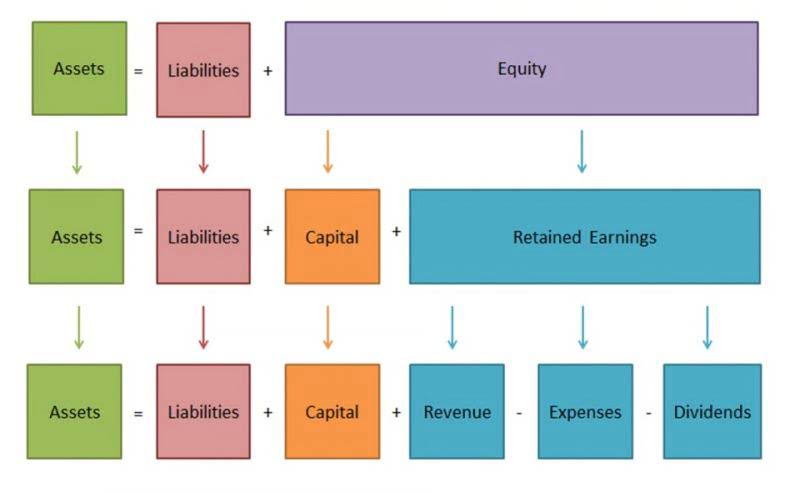
Journalizing is the process of recording business transactions in the general journal. It is the first step in the accounting cycle and helps provide a record of all business transactions. A journal entry contains essential information about the transaction, including the date, accounts affected, amounts, and whether the accounts are debited or credited. In accounting, debits and credits are fundamental concepts that dictate how transactions are recorded. A debit entry increases asset or expense accounts while decreasing liability or equity accounts.